CHFI course in Pashan
 A "Hacking Forensic Investigator" is a cybersecurity professional who specializes in examining digital evidence left behind by hacking incidents to identify the perpetrators
 In other words, they are experts in investigating cybercrimes by analyzing digital footprints left on compromised systems.
 They have extensive knowledge of operating systems, network protocols, malware analysis, and specialized forensic tools for properly extracting and analyzing digital evidence.
Start Today!
CONSULT WITH OUR ADVISORS
- Course & Curriculum Details
- Flexible Learning Options
- Affordable Learning
- Enrollment Process
- Career Guidance
- Internship Opportunities
- General Communication
- Certification Benefits
Request Call Back
Learning Curve for CHFI in Pashan
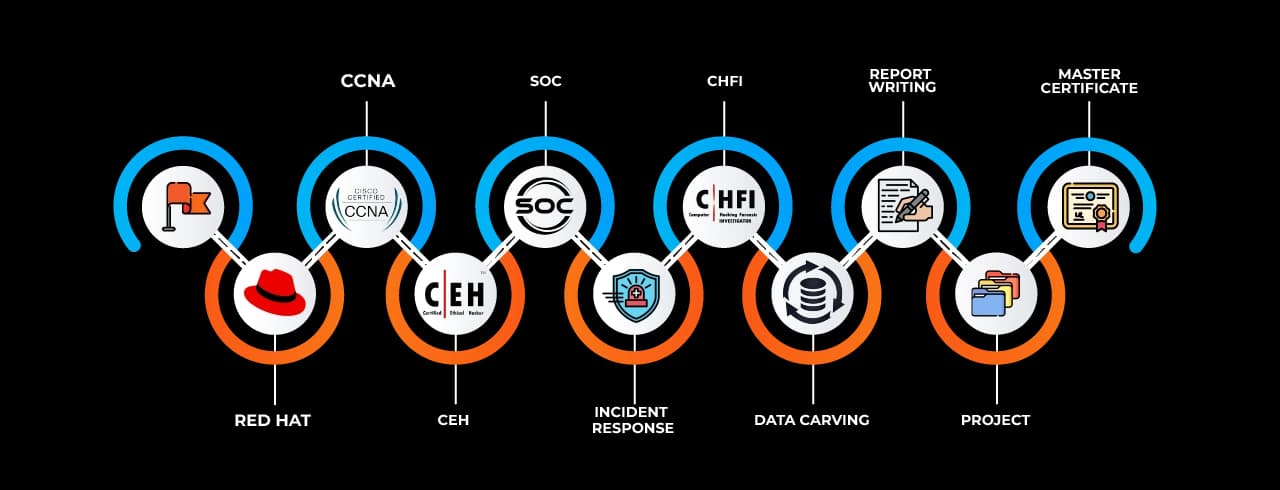
Master In CHFI in Pashan Course
OneCourseMultipleRoles
Empower your career with in-demand data skills and open doors to top-tier opportunities.
Skills & Tools You'll Learn -
 OS ForensicsA forensic software that helps extract, search, and analyze system artifacts, logs, and file systems for investigation
 Data Recovery ToolSoftware designed to restore lost, deleted, or corrupted files from storage devices like HDDs, SSDs, and USBs.
 Windows Forensics ToolA collection of utilities used for investigating Windows system artifacts, logs, registry, and file activity.
 Search EverythingA fast file-search utility that helps locate files and directories instantly on Windows systems.
 Wondershare A suite of data recovery and multimedia tools, including Wondershare Recoverit for restoring lost data.
 Apate DNSA tool used for DNS spoofing and testing network security by redirecting DNS queries.
 Process ExplorerA Windows utility that provides detailed insights into running processes, including resource usage and DLL dependencies.
 iCare Data RecoveryA data recovery software that retrieves lost files from formatted, corrupted, or deleted partitions.
 Kali LinuxA Debian-based penetration testing and ethical hacking operating system, pre-loaded with security tools.
 FTK (Forensic Toolkit)A digital forensics tool for evidence collection and analysis
 Recuva A data recovery tool for restoring deleted files.
 WinHex A hex editor used for forensic investigations and data recovery.
 Autopsy Perform digital forensics to recover and analyze deleted or hidden files.
Why Choose SevenMentor CHFI in Pashan
Empowering Careers with Industry-Ready Skills.

Specialized Pocket Friendly Programs as per your requirements

Live Projects With Hands-on Experience

Corporate Soft-skills & Personality Building Sessions

Digital Online, Classroom, Hybrid Batches

Interview Calls Assistance & Mock Sessions

1:1 Mentorship when required

Industry Experienced Trainers

Class Recordings for Missed Classes

1 Year FREE Repeat Option

Bonus Resources
Specialized Pocket Friendly Programs as per your requirements
Live Projects With Hands-on Experience
Corporate Soft-skills & Personality Building Sessions
Digital Online, Classroom, Hybrid Batches
Interview Calls Assistance & Mock Sessions
1:1 Mentorship when required
Industry Experienced Trainers
Class Recordings for Missed Classes
1 Year FREE Repeat Option
Bonus Resources

Fastest 1:1 doubt support

Flexible EMI Plans

Adaptive LMS

Free Wifi Facilities

Flexible Scheduling

Ongoing Career Support

Placement Drives

GitHub Project Implementations

Real World Topics

5/5 rating for 99% doubt Solutions

Be Different With Master Certificate

Latest Market Technology & Practical Training

Resume Building Session & Job Portals Training

Enhanced Capstone Projects for learning

Stand Out with an impressive Certificate

Weekday and Weekend Batches

Workshops & Seminars with Industry Experts

Unlimited Interview Calls

AWS Cloud Project Deployments

Live Quizzes

Resolve doubts any time through chat, voice notes, calling or meeting with instructors.
Curriculum For CHFI in Pashan
BATCH SCHEDULE
CHFI in Pashan Course
Find Your Perfect Training Session
Nov 8 - Nov 14
1 sessionNov 15 - Nov 21
2 sessionsNov 22 - Nov 28
1 sessionLearning Comes Alive Through Hands-On PROJECTS!
Comprehensive Training Programs Designed to Elevate Your Career
Data Recovery

Mobile Forensics
OS Forensics
Live Forensics on SSD

Making a Forensics Lab
No active project selected.
Transform Your Future with Elite Certification
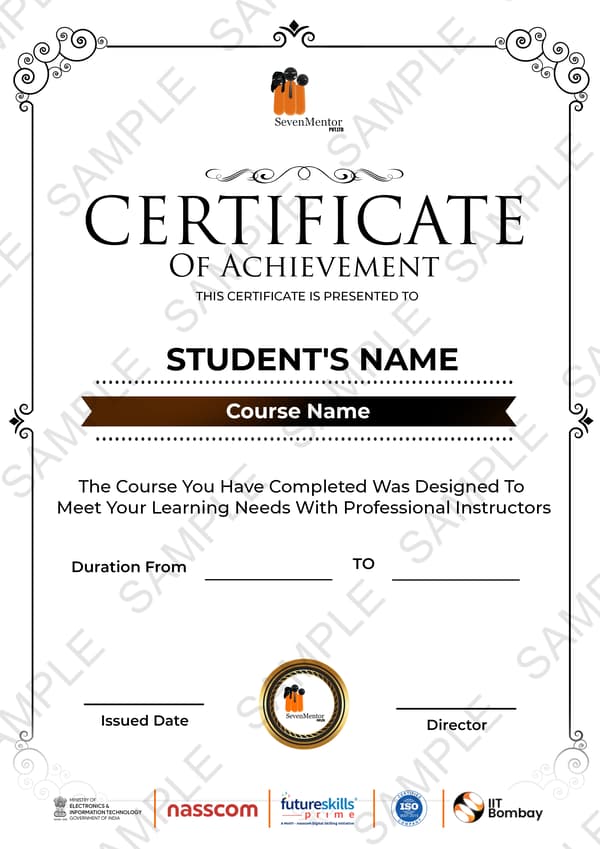
Add Our Training Certificate In Your LinkedIn Profile
Our industry-relevant certification equips you with essential skills required to succeed in a highly dynamic job market.
Join us and be part of over 50,000 successful certified graduates.


KEY Features that Makes Us Better and Best FIT For You
Expert Trainers
Industry professionals with extensive experience to guide your learning journey.
Comprehensive Curriculum
In-depth courses designed to meet current industry standards and trends.
Hands-on Training
Real-world projects and practical sessions to enhance learning outcomes.
Flexible Schedules
Options for weekday, weekend, and online batches to suit your convenience.
Industry-Recognized Certifications
Globally accepted credentials to boost your career prospects.
State-of-the-Art Infrastructure
Modern facilities and tools for an engaging learning experience.
100% Placement Assistance
Dedicated support to help you secure your dream job.
Affordable Fees
Quality training at competitive prices with flexible payment options.
Lifetime Access to Learning Materials
Revisit course content anytime for continuous learning.
Personalized Attention
Small batch sizes for individualized mentoring and guidance.
Diverse Course Offerings
A wide range of programs in IT, business, design, and more.
Course Content
Frequently Asked Questions
Everything you need to know about our revolutionary job platform
What exactly is the role of a computer hacking forensic investigator?
How to Become a Cyber Forensic Investigator?
Can I do cyber security without knowing how to code?
Can I pursue forensics after finishing my BSc?
Is it worthwhile to pursue a profession in cyberforensics?
Which forensic branch is best?
Who is the originator of forensic science?
What are the advantages of using forensic technology?
Is it worthwhile to pursue chfi certification?
What is the highest-paying forensic job?
Which branch of forensics is superior?
What is the difficulty level of CHFI? Is the CHFI exam challenging?
What are the CHFI v10 modules?
What distinguishes CEH and CHFI?
Will artificial intelligence (AI) replace cybersecurity workers?
Invest In Your Future With Skills That Matter.
Investing in the right skills at the right place paves the way for long-term career success and growth. SevenMentor Institute equips you with industry-relevant expertise, ensuring you stay ahead in an evolving job market.
Career Support:
Beyond technical training, we provide comprehensive career assistance, including resume building, interview coaching, and job placement support.
Recognized Certification:
Earn globally recognized certifications that validate your expertise and enhance your employability.
Company Tie-Ups:
We collaborate with leading corporations, startups, and multinational companies to provide our students with exclusive job opportunities, internships, and industry exposure.
Take the first step to fast-track your future!