Google Cloud Platform Course in Aundh
 Accelerate Your Career with SevenMentor’s Expert-Led Google Cloud Training
 Master Google Cloud Technologies with Hands-On Learning from Industry Professionals
 Build Scalable and Secure Cloud Solutions with In-Demand GCP Skills

Start Today!
CONSULT WITH OUR ADVISORS
- Course & Curriculum Details
- Flexible Learning Options
- Affordable Learning
- Enrollment Process
- Career Guidance
- Internship Opportunities
- General Communication
- Certification Benefits
Request Call Back
Learning Curve for Google Cloud Platform in Wakad

Master In Google Cloud Platform in Wakad Course
OneCourseMultipleRoles
Empower your career with in-demand data skills and open doors to top-tier opportunities.
Skills & Tools You'll Learn -
 Container A lightweight, portable, and consistent runtime environment for applications.
 Kubernetes A container orchestration system for automating deployment, scaling, and management of containerized applications.
 Cloud Platforms (AWS, GCP, Azure)Services for deploying and managing data science models.
 IaaS (Infrastructure as a Service) Cloud-based virtualized computing resources like servers, storage, and networking.
 PaaS (Platform as a Service)Cloud environment for developers to build, test, and deploy applications without managing infrastructure.
 SaaS (Software as a Service) Cloud-hosted software applications accessible via the internet without installation.
 Private CloudDedicated cloud infrastructure for a single organization, offering enhanced security and control.
 Public Cloud Cloud services shared across multiple users, managed by third-party providers like Azure.
 Hybrid CloudA mix of private and public cloud environments for flexibility and optimized workloads.
 Compute EngineMaster virtual machine instances for high-performance computing on GCP.
 FolderOrganize cloud resources efficiently within a structured GCP hierarchy.
 Project Learn to manage cloud resources, services, and access within GCP projects
 OrganizationUnderstand enterprise-level resource management and policy enforcement in GCP.
 VM (Virtual Machine)Deploy and manage virtualized computing environments on Google Cloud.
 Snapshots Explore data backup and recovery solutions using disk snapshots in GCP.
 Datastore Explore Google’s NoSQL database for scalable and high-performance application data storage.
 App EngineDevelop and deploy scalable applications without managing infrastructure.
 Cloud FunctionImplement event-driven serverless computing for lightweight microservices.
 Cloud Run Deploy and run containerized applications in a fully managed environment.
 Cloud SpannerMaster globally distributed, strongly consistent relational database services.
 Cloud StorageLearn to store, manage, and secure unstructured data in Google’s scalable storage service.
 Cloud Resource ManagerOrganize and control GCP resources with hierarchical management.
 Stackdriver Monitor, troubleshoot, and improve cloud applications with logging and observability tools.
 VPC Peering Enable private connectivity between virtual networks for secure communication.
 Autoscaling Optimize cloud performance and cost by dynamically adjusting computing resources.
 GKE (Google Kubernetes Engine)Deploy, manage, and scale containerized applications using Kubernetes.
 Cloud Source RepositoriesManage and collaborate on Git-based source code repositories in Google Cloud.
 Persistent DiskLearn about durable and high-performance block storage for virtual machines.
 Load BalancingDistribute traffic efficiently across multiple resources to ensure scalability and reliability.
 Cloud CDNAccelerate content delivery globally with Google’s caching and edge network services
 Cloud ShellAccess and manage Google Cloud resources from a browser-based command-line interface.
Why Choose SevenMentor Google Cloud Platform in Wakad
Empowering Careers with Industry-Ready Skills.

Specialized Pocket Friendly Programs as per your requirements

Live Projects With Hands-on Experience

Corporate Soft-skills & Personality Building Sessions

Digital Online, Classroom, Hybrid Batches

Interview Calls Assistance & Mock Sessions

1:1 Mentorship when required

Industry Experienced Trainers

Class Recordings for Missed Classes

1 Year FREE Repeat Option

Bonus Resources
Specialized Pocket Friendly Programs as per your requirements
Live Projects With Hands-on Experience
Corporate Soft-skills & Personality Building Sessions
Digital Online, Classroom, Hybrid Batches
Interview Calls Assistance & Mock Sessions
1:1 Mentorship when required
Industry Experienced Trainers
Class Recordings for Missed Classes
1 Year FREE Repeat Option
Bonus Resources

Fastest 1:1 doubt support

Flexible EMI Plans

Adaptive LMS

Free Wifi Facilities

Flexible Scheduling

Ongoing Career Support

Placement Drives

GitHub Project Implementations

Real World Topics

5/5 rating for 99% doubt Solutions

Be Different With Master Certificate

Latest Market Technology & Practical Training

Resume Building Session & Job Portals Training

Enhanced Capstone Projects for learning

Stand Out with an impressive Certificate

Weekday and Weekend Batches

Workshops & Seminars with Industry Experts

Unlimited Interview Calls

AWS Cloud Project Deployments

Live Quizzes

Resolve doubts any time through chat, voice notes, calling or meeting with instructors.
Curriculum For Google Cloud Platform in Wakad
BATCH SCHEDULE
Google Cloud Platform in Wakad Course
Find Your Perfect Training Session
Nov 1 - Nov 7
1 sessionNov 8 - Nov 14
2 sessionsNov 15 - Nov 21
1 sessionLearning Comes Alive Through Hands-On PROJECTS!
Comprehensive Training Programs Designed to Elevate Your Career

Host Web/App to Handle Heavy Workload

Automated App Deployment in Container

Continuous Integration and Continuous Deployment using Google Cloud Platform

Cloud Storage SQL Database Management

Auto App Deployment Over GKE
No active project selected.
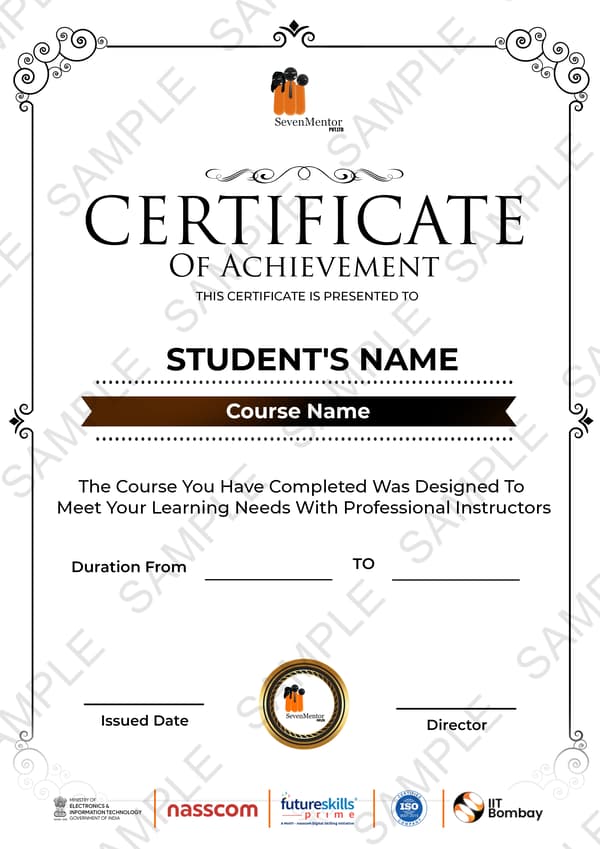
Transform Your Future with Elite Certification
Add Our Training Certificate In Your LinkedIn Profile
Our industry-relevant certification equips you with essential skills required to succeed in a highly dynamic job market.
Join us and be part of over 50,000 successful certified graduates.


KEY Features that Makes Us Better and Best FIT For You
Expert Trainers
Industry professionals with extensive experience to guide your learning journey.
Comprehensive Curriculum
In-depth courses designed to meet current industry standards and trends.
Hands-on Training
Real-world projects and practical sessions to enhance learning outcomes.
Flexible Schedules
Options for weekday, weekend, and online batches to suit your convenience.
Industry-Recognized Certifications
Globally accepted credentials to boost your career prospects.
State-of-the-Art Infrastructure
Modern facilities and tools for an engaging learning experience.
100% Placement Assistance
Dedicated support to help you secure your dream job.
Affordable Fees
Quality training at competitive prices with flexible payment options.
Lifetime Access to Learning Materials
Revisit course content anytime for continuous learning.
Personalized Attention
Small batch sizes for individualized mentoring and guidance.
Diverse Course Offerings
A wide range of programs in IT, business, design, and more.
Course Content
Frequently Asked Questions
Everything you need to know about our revolutionary job platform
What is need to learn Google Cloud Platform?
Do I need any experience before taking this course?
Will this course help me to clear Google Cloud Certification?
What is difference between GCP and other cloud platform like AWS or Azure?
Is there any hands-on practicals in this course?
What kind of job opportunities I can get after this course?
Do I need to buy Google Cloud subscription for learning?
How long it take to complete this GCP course?
Will I get certificate after course completion?
Can non-technical people also learn GCP?
Is Google Cloud good for startups and small business?
Do I need coding knowledge to learn GCP?
Can I use GCP to host websites and mobile apps?
What is difference between Compute Engine and Kubernetes Engine?
Can I integrate GCP with other cloud platforms like AWS or Azure?
Invest In Your Future With Skills That Matter.
Investing in the right skills at the right place paves the way for long-term career success and growth. SevenMentor Institute equips you with industry-relevant expertise, ensuring you stay ahead in an evolving job market.
Career Support:
Beyond technical training, we provide comprehensive career assistance, including resume building, interview coaching, and job placement support.
Recognized Certification:
Earn globally recognized certifications that validate your expertise and enhance your employability.
Company Tie-Ups:
We collaborate with leading corporations, startups, and multinational companies to provide our students with exclusive job opportunities, internships, and industry exposure.
Take the first step to fast-track your future!