Backend Engineering Course
 Become a Job-Ready Data Engineer with Hands-On Projects
 Master Data Engineering with Real-World Applications at SevenMentor Institute
 Build Scalable, High-Performance Data Pipelines with Expert Training
Start Today!
CONSULT WITH OUR ADVISORS
- Course & Curriculum Details
- Flexible Learning Options
- Affordable Learning
- Enrollment Process
- Career Guidance
- Internship Opportunities
- General Communication
- Certification Benefits
Request Call Back
Learning Curve for Backend Engineering
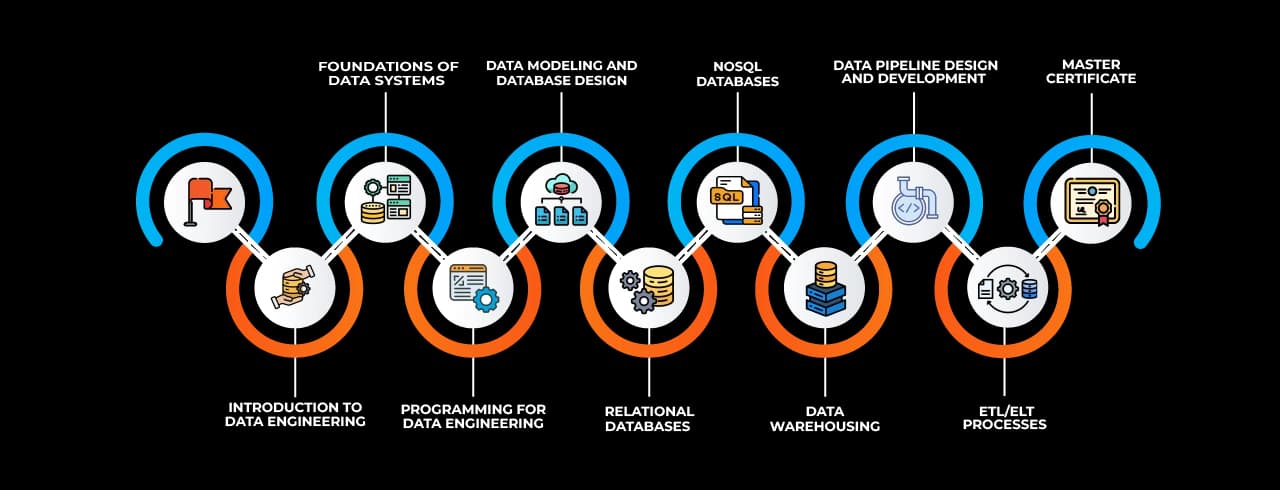
Master In Backend Engineering Course
OneCourseMultipleRoles
Empower your career with in-demand data skills and open doors to top-tier opportunities.
Skills & Tools You'll Learn -
 SQL & Database Management (Relational & NoSQL Databases) – Design, manage, and optimize structured and unstructured databases for efficient data storage and retrieval.
 Data Warehousing(ETL, ELT, Data Lakes) – Build scalable data warehouses and lakes using ETL/ELT pipelines to consolidate and analyze large datasets.
 Big Data Processing (Hadoop, Spark)Process and analyze massive datasets efficiently with distributed computing frameworks like Hadoop and Apache Spark.
 Cloud Platforms (AWS) Leverage cloud-based services to store, process, and manage data at scale with AWS infrastructure.
 Data Modeling & Schema DesignDevelop optimized data models and schemas to ensure seamless data organization, integrity, and performance.
 Programming Languages(Python, Java, Scala) – Utilize programming languages for data manipulation, processing, and pipeline development.
 Data Pipeline Orchestration(Apache Airflow) – Automate, schedule, and monitor complex data workflows using Apache Airflow.
 Data Governance & Security (Data Privacy, Compliance) – Implement data security, privacy policies, and compliance measures to protect sensitive information.
 Tools & TechnologiesApache Spark (Batch & Stream Processing) – Perform high-speed batch and real-time data processing with Apache Spark.
 Kafka (Real-Time Data Streaming) – Enable real-time data ingestion, processing, and streaming with Apache Kafka.
 AWS Data Services (S3, Redshift, Glue, Kinesis) – Store, transform, and analyze large datasets using AWS cloud data services.
 ETL Tools(Informatica, Talend, dbt) – Automate and streamline data extraction, transformation, and loading processes for analytics.
 Containerization & Orchestration (Docker)Deploy and manage scalable, containerized data applications with Docker.
 BI & Visualization Tools(Power BI, Tableau) – Create interactive dashboards and reports to extract insights from data visually.
Why Choose SevenMentor Backend Engineering
Empowering Careers with Industry-Ready Skills.

Specialized Pocket Friendly Programs as per your requirements

Live Projects With Hands-on Experience

Corporate Soft-skills & Personality Building Sessions

Digital Online, Classroom, Hybrid Batches

Interview Calls Assistance & Mock Sessions

1:1 Mentorship when required

Industry Experienced Trainers

Class Recordings for Missed Classes

1 Year FREE Repeat Option

Bonus Resources
Specialized Pocket Friendly Programs as per your requirements
Live Projects With Hands-on Experience
Corporate Soft-skills & Personality Building Sessions
Digital Online, Classroom, Hybrid Batches
Interview Calls Assistance & Mock Sessions
1:1 Mentorship when required
Industry Experienced Trainers
Class Recordings for Missed Classes
1 Year FREE Repeat Option
Bonus Resources

Fastest 1:1 doubt support

Flexible EMI Plans

Adaptive LMS

Free Wifi Facilities

Flexible Scheduling

Ongoing Career Support

Placement Drives

GitHub Project Implementations

Real World Topics

5/5 rating for 99% doubt Solutions

Be Different With Master Certificate

Latest Market Technology & Practical Training

Resume Building Session & Job Portals Training

Enhanced Capstone Projects for learning

Stand Out with an impressive Certificate

Weekday and Weekend Batches

Workshops & Seminars with Industry Experts

Unlimited Interview Calls

AWS Cloud Project Deployments

Live Quizzes

Resolve doubts any time through chat, voice notes, calling or meeting with instructors.
Curriculum For Backend Engineering
BATCH SCHEDULE
Backend Engineering Course
Find Your Perfect Training Session
Oct 25 - Oct 31
3 sessionsNov 1 - Nov 7
1 sessionLearning Comes Alive Through Hands-On PROJECTS!
Comprehensive Training Programs Designed to Elevate Your Career

Data Pipeline for Sales Data Processing

Real-Time Stock Price Data Ingestion

Customer Data Warehouse

Log Data Processing System

Cloud-Based ETL Pipeline for E-commerce Data
No active project selected.
Transform Your Future with Elite Certification
Add Our Training Certificate In Your LinkedIn Profile
Our industry-relevant certification equips you with essential skills required to succeed in a highly dynamic job market.
Join us and be part of over 50,000 successful certified graduates.



KEY Features that Makes Us Better and Best FIT For You
Expert Trainers
Industry professionals with extensive experience to guide your learning journey.
Comprehensive Curriculum
In-depth courses designed to meet current industry standards and trends.
Hands-on Training
Real-world projects and practical sessions to enhance learning outcomes.
Flexible Schedules
Options for weekday, weekend, and online batches to suit your convenience.
Industry-Recognized Certifications
Globally accepted credentials to boost your career prospects.
State-of-the-Art Infrastructure
Modern facilities and tools for an engaging learning experience.
100% Placement Assistance
Dedicated support to help you secure your dream job.
Affordable Fees
Quality training at competitive prices with flexible payment options.
Lifetime Access to Learning Materials
Revisit course content anytime for continuous learning.
Personalized Attention
Small batch sizes for individualized mentoring and guidance.
Diverse Course Offerings
A wide range of programs in IT, business, design, and more.
Course Content
Frequently Asked Questions
Everything you need to know about our revolutionary job platform
What are the prerequisites for enrolling in this course?
Why should I take Data Engineering training at SevenMentor instead of learning on my own?
What tools and technologies will I learn in this course?
What teaching approach does SevenMentor follow for Data Engineering training?
Does this course include cloud-based data engineering training?
What makes SevenMentor one of the best training institutes for Data Engineering?
How long does it take to complete the Data Engineering training?
Does SevenMentor provide placement assistance for this course?
Will I work on real-world projects during the training?
Is this training available online, or do I have to attend classroom sessions?
What career opportunities are available after completing this Data Engineering course?
Will I receive course-related study materials?
Is this Data Engineering course suitable for beginners, or does it cover advanced topics?
Invest In Your Future With Skills That Matter.
Investing in the right skills at the right place paves the way for long-term career success and growth. SevenMentor Institute equips you with industry-relevant expertise, ensuring you stay ahead in an evolving job market.
Career Support:
Beyond technical training, we provide comprehensive career assistance, including resume building, interview coaching, and job placement support.
Recognized Certification:
Earn globally recognized certifications that validate your expertise and enhance your employability.
Company Tie-Ups:
We collaborate with leading corporations, startups, and multinational companies to provide our students with exclusive job opportunities, internships, and industry exposure.
Take the first step to fast-track your future!